
Disaster Recovery & Mental Health
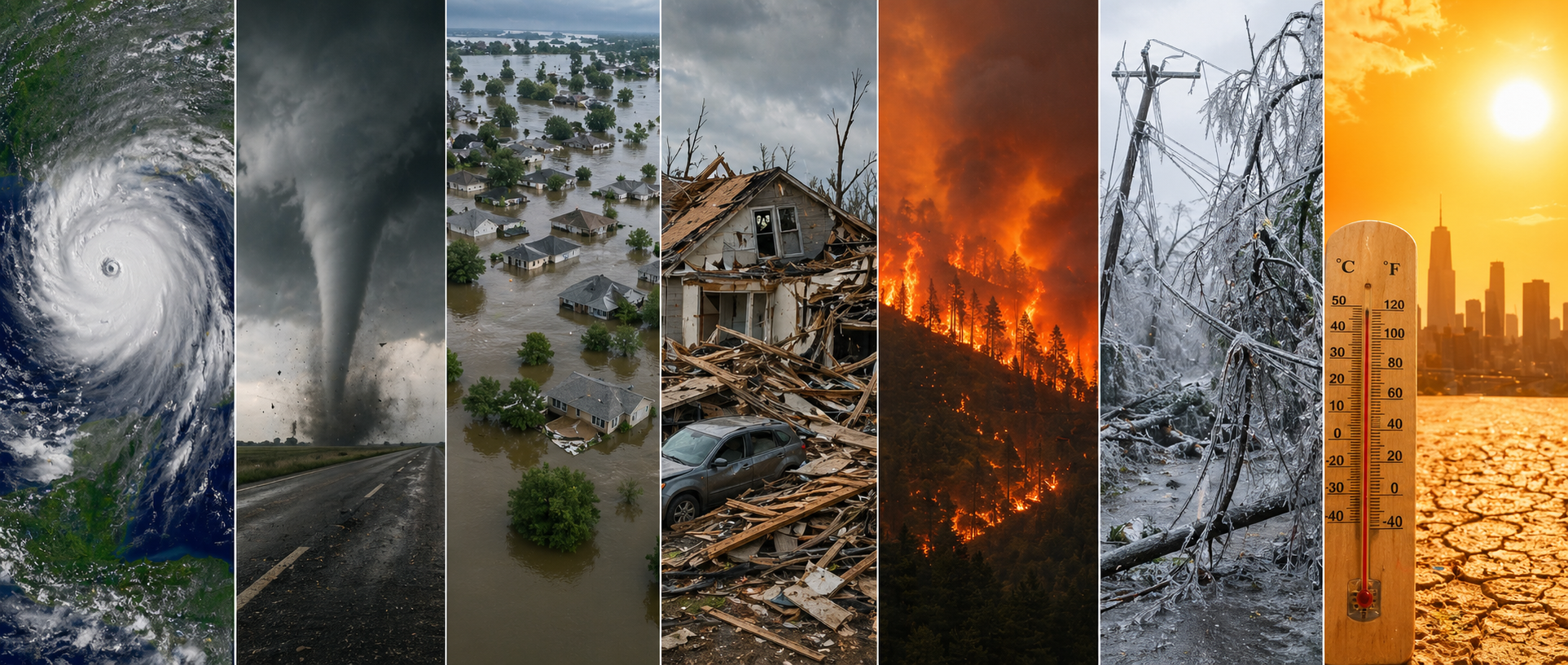
Disasters not only damage homes, roads, businesses, and communities. They can also deeply affect a person’s sense of safety, stability, and control. Hurricanes, tornadoes, floods, wildfires, winter storms, and other emergencies can leave people feeling overwhelmed, exhausted, anxious, angry, numb, or disconnected. These reactions are common after a frightening or disruptive event.
For many people, the emotional impact does not fully appear until after the immediate danger has passed. During the emergency, people often focus on survival, evacuation, protecting family, documenting damage, or finding basic supplies. Once things become quieter, the stress can catch up. This is why mental health recovery should be treated as part of disaster recovery, not as an afterthought.
Common Emotional Reactions After a Disaster
After a disaster, people may experience a wide range of emotional and physical reactions. These can include:
Anxiety, fear, or panic
Trouble sleeping
Nightmares or intrusive memories
Irritability or anger
Sadness, grief, or hopelessness
Guilt about surviving or not being able to prevent losses
Difficulty concentrating
Feeling emotionally numb
Feeling disconnected from others
Exhaustion or burnout
Headaches, stomach problems, or body tension
Increased use of alcohol, medication, or other substances
Fear of future storms, alerts, rain, wind, smoke, or sirens
These reactions do not mean someone is weak. They are normal human responses to abnormal stress. However, if symptoms become intense, last for several weeks, interfere with daily life, or lead to thoughts of self-harm, professional support is important.
Why Disasters Affect Mental Health
Disasters can disrupt nearly every part of daily life. A person may lose their home, belongings, vehicle, job, neighborhood, routine, or sense of security. Even people who were not physically injured may feel shaken by the experience. Watching water rise, hearing tornado warnings, evacuating from fire, sheltering during violent winds, or being trapped without power can leave lasting emotional effects.
Financial stress can make recovery even harder. Insurance claims, repairs, temporary housing, lost income, denied coverage, cleanup costs, and uncertainty about the future can create ongoing pressure. For some families, the emotional burden continues long after the news coverage ends.
Disasters can also reactivate previous trauma. Someone who has lived through a past hurricane, house fire, medical emergency, loss, or unstable housing situation may find that a new event brings back old fear or grief. This is especially common when the disaster involves sudden danger, loss of control, or separation from loved ones.
Impacts on Children and Teens
Children and teens may not always explain their stress directly. Instead, they may show it through behavior, sleep, school performance, mood, or physical complaints. Younger children may become clingy, fearful, irritable, or regress to earlier behaviors. Older children and teens may withdraw, become angry, seem distracted, avoid talking, or act as if they are not affected.
Parents and caregivers can help by keeping routines as normal as possible, answering questions honestly, limiting repeated exposure to frightening news or images, and reassuring children that adults are working to keep them safe. Children do not need every detail, but they do need calm, truthful explanations.
It also helps to let children participate in recovery in age-appropriate ways. Small tasks, such as packing supplies, helping care for pets, drawing pictures, organizing belongings, or choosing comfort items, can restore a sense of control.
Impacts on Older Adults and People With Medical Needs
Older adults and people with medical needs may face additional stress during and after disasters. Power outages can affect oxygen machines, refrigerated medications, mobility equipment, elevators, and access to medical care. Evacuation can be physically and emotionally difficult, especially for people who rely on caregivers, transportation, or familiar routines.
Mental health support for these groups should include practical support. Helping someone refill medication, contact a doctor, replace medical equipment, arrange transportation, or reconnect with caregivers can reduce emotional strain. Recovery is not only about counseling; it is also about restoring safety, stability, and basic needs.
Impacts on First Responders, Helpers, and Caregivers
First responders, emergency workers, volunteers, neighbors, caregivers, and family members often carry emotional stress while helping others. They may witness destruction, injury, death, fear, or suffering. They may also ignore their own needs because they feel responsible for everyone else.
Helpers need recovery too. Signs of stress can include exhaustion, irritability, emotional numbness, sleep problems, guilt, and difficulty returning to normal routines. Taking breaks, talking with trusted people, rotating responsibilities, eating, sleeping, and accepting support are not selfish. They are necessary for long-term resilience.
Grief After Disaster
Disaster grief can involve more than the loss of life. People may grieve a home, neighborhood, business, photos, heirlooms, pets, routines, familiar places, or a sense of safety. These losses are real, even when they are not always recognized by others.
Some people feel pressure to “be grateful” because they survived. Gratitude and grief can exist at the same time. A person can be thankful to be alive and still devastated by what was lost. Recovery is healthier when people are allowed to name the loss honestly.
How Families Can Support Recovery
Families can support one another by creating structure after the chaos. This may include regular meals, sleep routines, shared cleanup tasks, short planning conversations, and designated breaks from disaster-related discussion. Even small routines help the brain recognize that life is becoming more predictable again.
It is also important to avoid comparing reactions. One person may want to talk constantly, while another may become quiet. One person may want to rebuild immediately, while another may feel frozen. Different reactions do not mean someone cares more or less. They often reflect different ways of coping.
Families should watch for warning signs that someone may need additional help. These include ongoing inability to sleep, panic attacks, withdrawal from loved ones, increased substance use, aggressive behavior, inability to function, talk of hopelessness, or thoughts of self-harm.
Practical Steps That Can Help Emotional Recovery
Disaster recovery can feel overwhelming because there are so many decisions at once. The goal is to reduce the pressure by focusing on the next manageable step.
Helpful recovery steps include:
Get safe first
Contact loved ones and let them know where you are
Follow official guidance before returning home
Take photos and videos of damage before cleanup
Save receipts for disaster-related expenses
Contact your insurance company as soon as possible
Ask for help with paperwork if you feel overwhelmed
Rest when possible, even if there is still work to do
Eat regularly and drink water
Limit repeated exposure to disturbing images or videos
Talk with someone you trust
Accept help from family, neighbors, faith groups, community organizations, or disaster agencies
Focus on one task at a time
Small actions matter. After a disaster, even making a phone call, charging a device, organizing documents, or getting one room cleaned can help restore a sense of control.
When to Seek Professional Help
Professional help may be needed when distress does not begin to ease, becomes worse, or interferes with daily life. Support is especially important if someone is unable to sleep for several nights, cannot care for themselves or others, feels constantly panicked, has flashbacks, feels detached from reality, uses substances to cope, or talks about wanting to die.
Seeking help after a disaster is not a sign of failure. It is a protective step. Just as people call professionals for roof damage, flood cleanup, electrical hazards, or medical care, it is appropriate to seek support for emotional injury and trauma.
National Mental Health and Disaster Recovery Resources
Disaster Distress Helpline
The Disaster Distress Helpline provides 24/7 crisis counseling and emotional support for people in the United States and its territories experiencing distress related to natural or human-caused disasters. Call or text 1-800-985-5990. Support is available in multiple languages.
988 Suicide & Crisis Lifeline
If someone is thinking about suicide, feels in emotional crisis, or may be at risk of harming themselves, call or text 988 for free, confidential support. The CDC notes that 988 is available 24/7/365 by call, text, or chat.
FEMA Disaster Assistance
FEMA may provide disaster-related assistance after federally declared disasters, including help with temporary housing, repairs, and other recovery needs. Disaster survivors can check available assistance through official FEMA and DisasterAssistance.gov resources.
Local Emergency Management and 211
Local emergency management offices, county agencies, and 211 services can help connect people to shelters, food, cleanup assistance, transportation, crisis counseling, housing support, and community recovery resources. Availability varies by location and disaster.
Healthcare Providers and Community Mental Health Centers
Primary care doctors, therapists, school counselors, community mental health centers, and local health departments can help people manage stress, trauma symptoms, sleep disruption, grief, medication needs, and referrals for longer-term support.
Schools and Pediatric Providers
For children and teens, schools, pediatricians, school counselors, and child-focused mental health providers can help identify stress reactions and provide age-appropriate support after a disaster.
Supporting Someone After a Disaster
When someone you care about has been through a disaster, you do not need perfect words. Simple, steady support often matters most.
Helpful things to say include:
I’m glad you’re safe
I’m here with you
That sounds terrifying
You do not have to figure everything out today
What is the most urgent thing you need right now?
Can I help you make a call, fill out a form, or find a place to stay?
It makes sense that you feel overwhelmed
Avoid minimizing the loss, rushing someone to feel better, or telling them “at least” things were not worse. Survivors often need practical help, calm presence, and time.
A Recovery Message for Families
Recovery is not always fast, and it is not always linear. Some days may feel productive, while others may feel heavy or discouraging. Anniversaries, new storms, insurance delays, rebuilding setbacks, sirens, rain, smoke, or wind can bring emotions back unexpectedly.
That does not mean recovery has failed. It means the experience mattered.
Preparedness is not only about supplies and evacuation routes. It is also about protecting emotional well-being, staying connected, asking for help, and making sure people are supported after the danger passes. A truly weatherproof life includes both physical safety and mental recovery.