
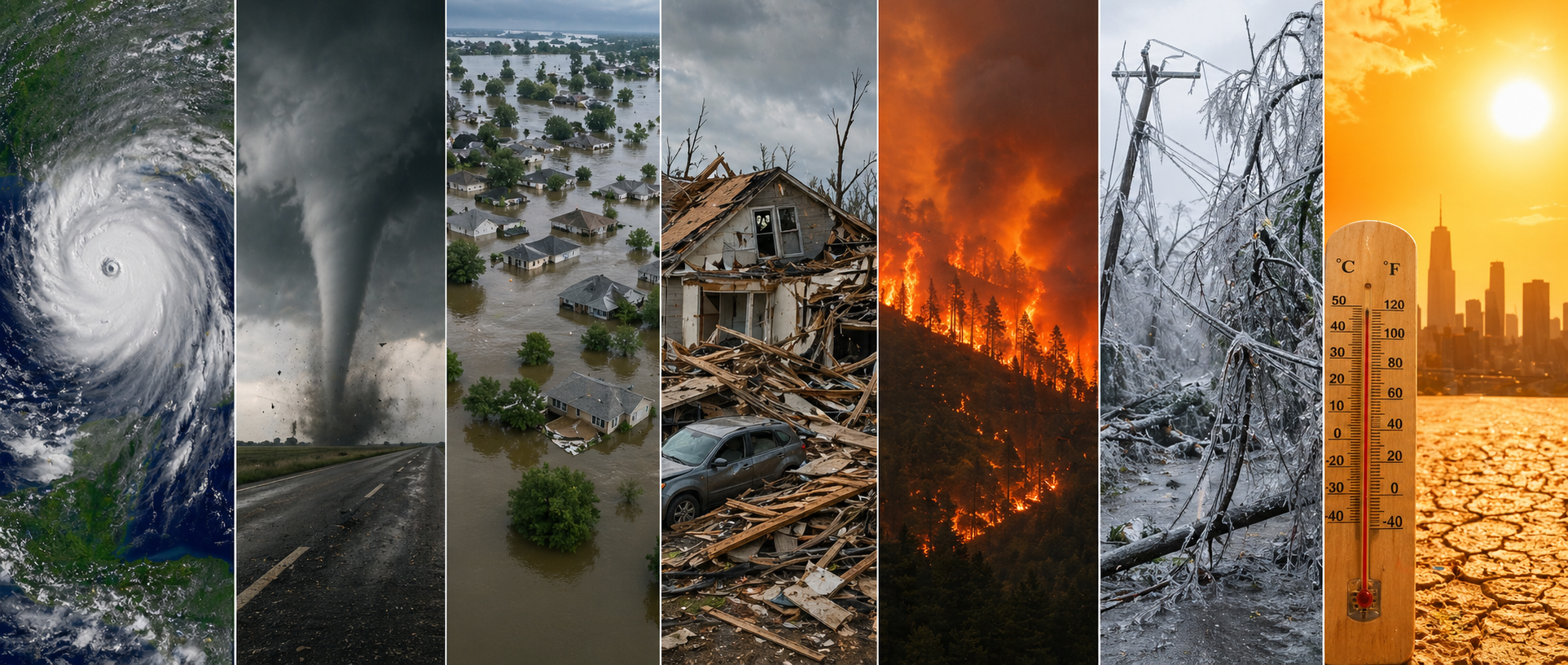
Emergency Preparedness Checklist
Emergencies can happen quickly. A strong preparedness plan helps you protect your household, respond with confidence, and recover faster after severe weather, power outages, evacuations, or other disasters. Use this checklist to review your current readiness and identify gaps before an emergency happens.
Household Emergency Plan
Create a simple plan that everyone in your household understands.
Identify the most likely hazards where you live, work, and travel
Choose a safe shelter location inside your home
Choose a meeting place near your home in case you are separated
Choose a meeting place outside your neighborhood in case you cannot return home
Make sure every household member knows how to contact one another
Choose an out-of-area emergency contact
Write down important phone numbers in case cell phones are lost or dead
Plan for children, older adults, people with disabilities, and anyone with medical needs
Include pets in your emergency plan
Review and practice the plan at least twice a year
Emergency Alerts and Communication
Make sure you can receive warnings even if one system fails.
Enable Wireless Emergency Alerts on your phone
Sign up for local emergency alerts from your city, county, or state
Install at least one trusted weather app
Keep a battery-powered or hand-crank NOAA Weather Radio
Follow local emergency management, National Weather Service offices, and local news sources
Keep portable chargers or power banks charged
Store backup charging cables in your emergency kit
Write down key contacts on paper
Create a household group text for emergencies
Know how you will communicate if cell service is overloaded or unavailable
Emergency Supplies
Build a kit that can support your household for several days without normal services.
Water
One gallon of water per person per day
At least a three-day supply for each person
Extra water for pets
Water purification tablets or a water filter
Collapsible water containers or jugs
Stored water for hygiene and cleaning
Food
At least a three-day supply of shelf-stable food
Manual can opener
Ready-to-eat meals
Protein bars, nuts, dried fruit, crackers, and canned goods
Baby food or formula if needed
Pet food
Disposable plates, cups, and utensils
Trash bags and paper towels
Lighting and Power
Flashlights
Extra batteries
Headlamps
Battery-powered lanterns
Portable phone chargers
Solar charger if available
Extension cords for safe generator use
Battery-powered fans for hot weather
Extra charging cables
First Aid and Health
First-aid kit
Prescription medications
Over-the-counter pain relievers
Allergy medication
Antacids or stomach medication
Bandages, gauze, and medical tape
Antiseptic wipes
Tweezers and scissors
Thermometer
Disposable gloves
Copies of prescriptions
Backup eyeglasses or contact lenses
Medical devices and backup power if needed
Hygiene and Sanitation
Hand sanitizer
Soap
Toothbrushes and toothpaste
Toilet paper
Feminine hygiene products
Wet wipes
Towels
Disinfecting wipes
Trash bags
Plastic bags for waste
Diapers and baby wipes if needed
Portable toilet supplies if appropriate
Clothing and Comfort
Change of clothes for each person
Sturdy shoes
Work gloves
Rain gear
Warm layers
Blankets or sleeping bags
Hats, gloves, and socks
Sunscreen
Insect repellent
Comfort items for children
Books, games, or activities
Important Documents
Keep copies of critical documents in a waterproof container and backed up digitally.
Driver’s licenses or state IDs
Passports
Birth certificates
Social Security cards
Insurance policies
Homeowners or renters insurance documents
Flood insurance documents
Auto insurance documents
Health insurance cards
Medication lists
Medical records
Pet vaccination records
Property deed, lease, or mortgage documents
Vehicle titles or registration
Bank account information
Emergency contact list
Photos or videos of your home and belongings
Receipts for major purchases
Copies of wills, powers of attorney, or legal documents if applicable
Home Preparedness
Prepare your home before severe weather or disaster conditions develop.
Know how to shut off water, gas, and electricity
Test smoke alarms
Test carbon monoxide detectors
Replace alarm batteries as needed
Secure heavy furniture and large appliances
Trim weak or overhanging tree branches
Clean gutters and downspouts
Clear storm drains if safe and allowed
Inspect roof, siding, windows, and doors
Repair leaks or structural issues
Store outdoor furniture, grills, decorations, and trash cans before storms
Check sump pumps and consider a battery backup
Keep fire extinguishers accessible
Make sure everyone knows where emergency supplies are stored
Evacuation Preparedness
Be ready to leave quickly if staying home becomes unsafe.
Know your evacuation zone if you live near the coast, rivers, wildfire areas, or flood-prone locations
Identify at least two evacuation routes
Decide where you would go: family, friends, hotel, shelter, or another safe location
Keep your vehicle fueled or charged when severe weather is forecast
Keep a go-bag packed or easy to assemble
Include medications, documents, chargers, clothing, cash, and personal items
Plan for pets before evacuation orders are issued
Know which shelters or hotels accept pets
Leave early when instructed by officials
Never drive through flooded roads
Tell someone where you are going and when you expect to arrive
Shelter-in-Place Preparedness
Some emergencies require staying indoors rather than evacuating.
Identify the safest room in your home for severe weather
Choose an interior room away from windows for tornadoes or high winds
Choose an upper level if flooding is possible, but avoid becoming trapped in an attic without an exit
Keep emergency supplies close to your shelter area
Keep shoes, helmets, flashlights, and a weather radio nearby during tornado threats
Close windows and doors during poor air quality or wildfire smoke
Use air filtration if available
Stay indoors during lightning, extreme cold, extreme heat, or hazardous outdoor conditions
Follow official instructions until the danger has passed
Power Outage Preparedness
Plan for outages before they happen.
Keep flashlights and batteries in easy-to-find locations
Keep phones and power banks charged when severe weather is forecast
Have backup lighting that does not rely on candles
Keep refrigerators and freezers closed during outages
Use generators outdoors only and far from windows, doors, garages, and vents
Install carbon monoxide detectors
Have backup power for medical devices if needed
Store shelf-stable food that does not require cooking
Keep extra blankets for cold-weather outages
Have battery-powered fans for hot-weather outages
Know where you could go for heat, cooling, charging, or medical support during a long outage
Vehicle Emergency Kit
Keep basic emergency supplies in your vehicle.
Bottled water
Snacks or protein bars
First-aid kit
Flashlight
Extra batteries
Phone charger
Jumper cables
Tire inflator or sealant
Basic tools
Reflective triangles or flares
Blanket
Gloves
Rain poncho
Ice scraper in winter climates
Small shovel in winter climates
Traction material such as sand or cat litter
Paper map
Emergency contact information
Copies of insurance and registration
Pet Preparedness
Pets need their own emergency supplies and plan.
Several days of pet food
Water for each pet
Food and water bowls
Leash, harness, or carrier
Waste bags or litter supplies
Medications
Vaccination records
Recent photos of pets
ID tags and microchip information
Comfort item or toy
List of pet-friendly hotels, shelters, or boarding options
Plan for who can care for your pet if you are away from home
Medical and Accessibility Needs
Plan ahead for anyone who may need extra support.
Keep a list of medical conditions, medications, allergies, and doctors
Store extra medication when possible
Have backup power for medical equipment
Keep mobility aids accessible
Plan transportation for anyone who cannot evacuate independently
Include hearing, vision, mobility, cognitive, or communication needs in the emergency plan
Keep copies of care instructions
Identify nearby family, friends, neighbors, or caregivers who can assist
Register with local emergency assistance programs if available
Insurance and Property Documentation
Prepare financially and legally before damage happens.
Review homeowners or renters insurance
Review flood insurance separately if applicable
Review wind, hail, hurricane, wildfire, or earthquake coverage if relevant
Understand deductibles and exclusions
Take photos and videos of each room
Document major belongings, appliances, electronics, furniture, and valuables
Save receipts for major purchases
Store insurance contact information in your phone and emergency documents
Know how to start a claim
Do not wait until a storm is approaching to review coverage
Financial Preparedness
Disasters can disrupt access to banks, cards, and income.
Keep some emergency cash in small bills
Keep credit or debit cards accessible
Store bank and insurance contact information
Set aside emergency savings if possible
Know how you would pay for fuel, lodging, food, or temporary repairs
Keep digital and paper copies of financial documents
Review automatic payments and critical bills after a disaster
Watch for scams after emergencies
Hazard-Specific Additions
Hurricane or Tropical Storm
Know your evacuation zone
Protect windows if needed
Secure outdoor items
Prepare for power outages
Fill vehicle fuel tank or charge EV
Review flood and wind coverage
Evacuate early if ordered
Tornado
Identify your safest shelter location
Keep shoes and helmets near shelter area
Have a weather radio
Move immediately during a Tornado Warning
Stay away from windows
Do not shelter in a mobile home or vehicle if a sturdy structure is available
Flooding
Know whether your home or routes are flood-prone
Move valuables to higher levels
Consider flood insurance
Keep drains and gutters clear
Never drive through floodwater
Evacuate before routes are blocked
Winter Storm
Protect pipes
Stock food, water, and medications
Prepare backup heat safely
Keep blankets and warm clothing available
Avoid unnecessary travel
Prepare a winter vehicle kit
Extreme Heat
Check air conditioning
Know where cooling centers are located
Drink water regularly
Avoid outdoor work during peak heat
Check on vulnerable people
Watch for heat exhaustion and heat stroke
Wildfire
Create defensible space
Clear leaves, dead vegetation, and flammable materials
Prepare a go-bag
Know multiple evacuation routes
Monitor air quality
Leave immediately if ordered
Monthly Readiness Check
Complete these quick checks once a month.
Test smoke alarms
Test carbon monoxide detectors
Check flashlight batteries
Charge power banks
Review emergency food and water
Check expiration dates
Refill medications if needed
Update contact lists
Review weather alerts and apps
Make sure supplies are easy to find
Seasonal Readiness Check
Review your preparedness before each major hazard season.
Spring
Prepare for severe thunderstorms and tornadoes
Clean gutters and drainage areas
Review flood risk
Trim weak branches
Check weather radio and alert settings
Summer
Prepare for hurricanes, heat, wildfire smoke, and power outages
Review evacuation plans
Check cooling options
Store extra water
Prepare for outdoor safety risks
Fall
Review winter supplies
Service heating systems
Prepare vehicle for cold weather
Clear leaves from gutters
Review insurance documents
Winter
Protect pipes
Stock winter storm supplies
Prepare for ice and snow
Check backup heat safety
Keep vehicle emergency supplies ready
After an Emergency
Use caution after the immediate danger passes.
Check yourself and others for injuries
Avoid downed power lines
Avoid floodwater
Do not enter damaged buildings until safe
Watch for gas leaks, fire hazards, and structural damage
Take photos and videos before cleanup
Contact insurance as soon as possible
Save receipts for emergency expenses
Follow local guidance for drinking water safety
Check on neighbors if it is safe
Restock supplies after the event
Final Preparedness Review
Use these questions to identify your biggest gaps:
Do I know the top hazards where I live?
Can I receive emergency alerts at night?
Do I have enough water, food, and medication for several days?
Do I know where to shelter during severe weather?
Do I know when and where I would evacuate?
Are my important documents protected?
Have I reviewed my insurance coverage?
Can I handle a power outage safely?
Are pets and medical needs included in the plan?
Does everyone in the household understand what to do?
Preparedness does not have to be complicated. The goal is to make key decisions before the emergency, gather practical supplies, and reduce the number of things you have to figure out when time, power, transportation, or communication may be limited.